Ethiopia imported US$160.95 million worth of pharmaceuticals in the first half of 2025 alone, across more than 1,200 recorded transactions (NBD trade data, December 2025). Every tablet, vial, and test kit in that figure entered the country through a licensed pharmaceutical importer. If you run a pharmacy, a hospital procurement office, or a wholesale business, the importer you buy from decides your prices, your stock reliability, and whether the product on your shelf is genuine. This guide explains how the import market works and what separates a dependable importer from a risky one.
Who actually imports medicine into Ethiopia
Two kinds of buyers dominate. The first is the state: the Ethiopian Pharmaceuticals Supply Service (EPSS) was the single largest importer by value in the first half of 2025, feeding more than 4,000 public health facilities through its national distribution network (EPSS). The second is a layer of private importers. KARE Pharmaceuticals, BEKER General Business, BSHAW General Trading, and Droga Pharma rounded out the top five by import value in the same period (NBD, 2025). Behind them sit dozens of smaller licensed importers, including LifeCare, serving hospitals, wholesalers, and NGO programmes.
The private layer matters because the public sector cannot cover everything. Historically around 70% of medicines moved through public procurement, which leaves private pharmacies, clinics, and hospital chains sourcing the rest through private importers and the wholesalers they supply. Our guide to the best pharmaceutical companies in Ethiopia profiles the main players.
Where the medicine comes from
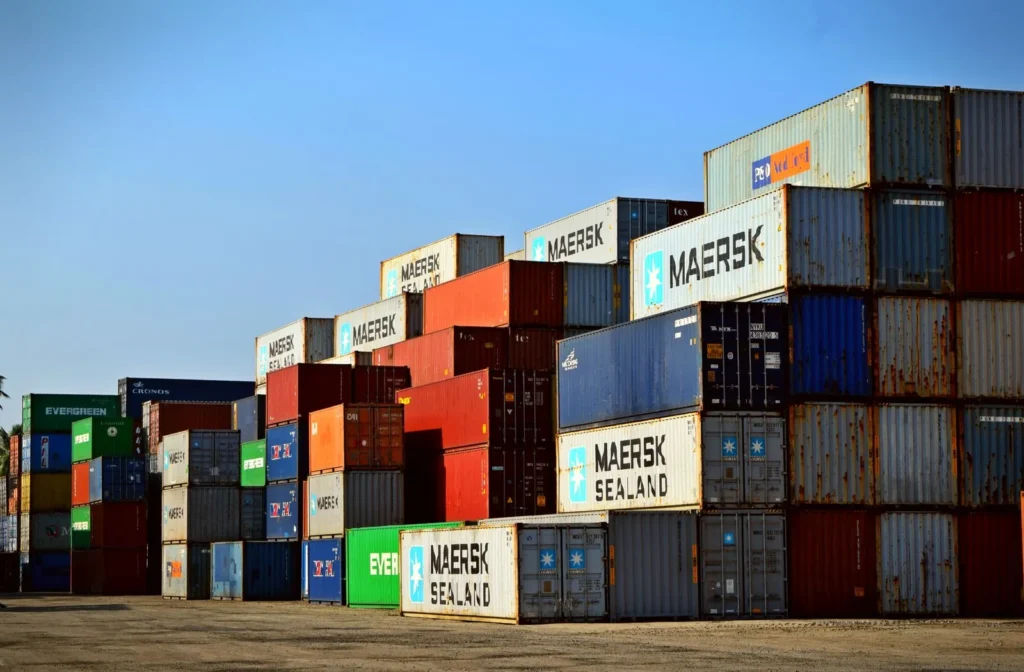
India supplied US$68.3 million of Ethiopia’s pharmaceutical imports in the first half of 2025, more than the next four countries combined, across 577 transactions. Belgium followed at US$34.0 million (largely high-value products in fewer, bigger shipments), then China at US$15.6 million, Turkey at US$6.4 million, and Kenya at US$3.48 million (NBD, 2025). The workhorse categories are tablets, capsules, and injectables: amoxicillin, paracetamol, and the rest of the essential-medicines list.
A country of origin on the carton settles nothing about quality. India and China both host WHO-prequalified plants and substandard ones. What protects you is whether the importer registered the product with the Ethiopian Food and Drug Authority (EFDA) and can show batch documents from the actual manufacturing site. We cover the paperwork in detail in how to verify a medicine supplier in Ethiopia.
What a licensed importer has to prove
EFDA licenses the whole chain, and the sequence is strict. An importer needs a certificate of competence for importation, every product must be registered with EFDA before it ships, each purchase order needs Authority approval, each consignment needs a port-clearance permit, and the importer may only sell to institutions authorized at the right level (EFDA). The process now runs through EFDA’s digital stack: i-Register for product registration, i-Import for permits, and iLicense for the competence certificate itself (U.S. ITA country commercial guide).
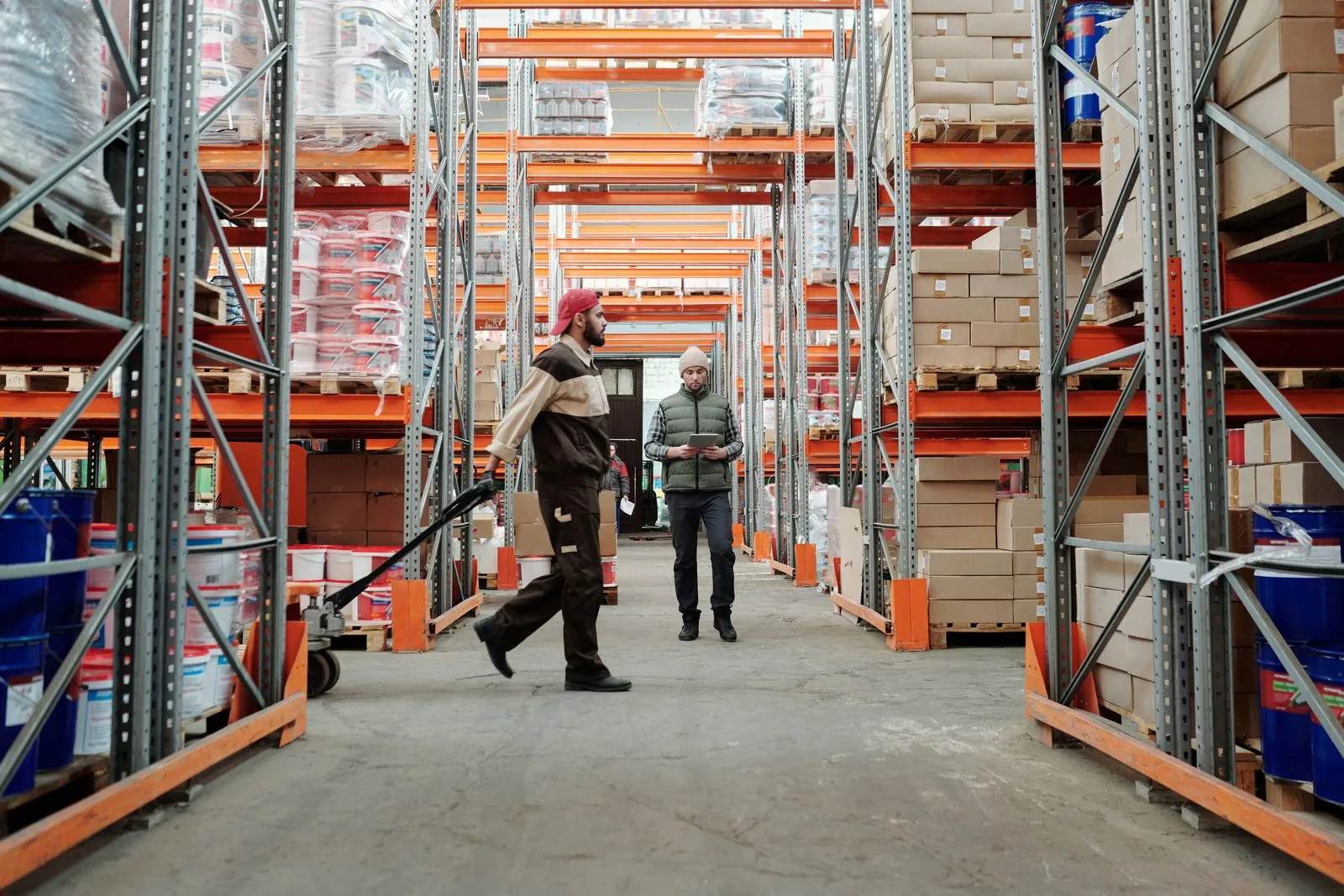
The certificate also carries physical obligations: compliant storage premises with monitored temperature and humidity, and a full-time licensed pharmacist as technical manager. An importer who cannot show you their storage should not be holding your antibiotics. Our piece on pharmaceutical cold chain in Ethiopia explains what proper storage looks like in practice.
The forex factor: why prices and stock levels move
Importing medicine means paying foreign suppliers in hard currency, and access to that currency has been the defining constraint of the trade. For years importers waited months for a foreign-exchange allocation after opening a letter of credit. In July 2024 the National Bank of Ethiopia replaced the old regime with a market-based system under Foreign Exchange Directive FXD/01/2024, floating the birr and consolidating the old rules into one directive (EY, 2024). Access to dollars improved. The cost of them rose.
For buyers, this shows up as price volatility. An importer with strong banking relationships and forward planning can hold prices steadier and keep stock flowing; a thinly capitalized one passes every exchange-rate swing straight to you, or simply runs out. Ask any prospective supplier how they financed their last three consignments. The answer tells you more than a brochure will. The full regulatory picture is in our guide to Ethiopian pharmaceutical import regulations in 2026.
The market is shifting toward local production
Imports no longer tell the whole story. Local manufacturing now covers more than 40% of Ethiopia’s medicine supply, and EFDA reached WHO Maturity Level 3, first in the IGAD region and ninth in Africa (World Bank, May 2026). The national target is 50% of essential-medicine demand met locally. The importers best placed for the next decade are the ones investing in local production alongside their import lines. LifeCare runs both: an import operation covering pharmaceuticals, equipment, and supplies, plus a Gulele Sub City facility producing hand sanitizer, gauze bandages, glycerine, and denatured alcohol that Ethiopia used to import.
Choosing an importer: the short checklist
- Valid EFDA competence certificate for importation, current year
- EFDA registration for every product you buy, verifiable in eRIS
- Storage you can visit, with logged temperature records
- A track record with institutional buyers (EPSS awards, hospital references)
- Batch-level documents: certificate of analysis, manufacturer, expiry
LifeCare has been an EPSS Top-20 Supplier four years running (2022 through 2025) and supplies more than 200 pharmaceutical wholesalers across Ethiopia. If you are comparing importers for your pharmacy, hospital, or programme, talk to our team or start with the full supplier selection criteria.
Frequently asked questions
Who are the biggest pharmaceutical importers in Ethiopia?
By import value in the first half of 2025, the largest were the state-run EPSS followed by private importers KARE Pharmaceuticals, BEKER General Business, BSHAW General Trading, and Droga Pharma. Dozens of other licensed importers, including LifeCare, supply the private market, wholesalers, and NGO programmes.
How much medicine does Ethiopia import?
Recorded pharmaceutical imports reached US$160.95 million in the first half of 2025, with India as the largest source at US$68.3 million. Local manufacturing now covers over 40% of medicine supply, and the government targets 50% for essential medicines.
What licence does a pharmaceutical importer need in Ethiopia?
An EFDA certificate of competence for importation, EFDA registration for each product, Authority approval of each purchase order, and a port-clearance permit per consignment. The importer also needs compliant storage and a licensed pharmacist as technical manager, and may only distribute to authorized institutions.