Picking the wrong pharmaceutical supplier in Ethiopia costs more than money. A stockout in the middle of a treatment programme, a shipment held at customs because the paperwork was wrong, a batch that never made it through the cold chain. These are the failures that follow a bad sourcing decision. For a hospital pharmacy committee, an EPSS procurement officer, or a wholesaler placing a six-figure order, the supplier you choose is the single biggest variable you control.
This guide lays out the eight criteria that actually matter when you evaluate a pharmaceutical supplier in Ethiopia, the ones that separate a vendor who can quote a price from a partner who can deliver, batch after batch, year after year.
1. A valid EFDA licence, and proof of it
Every legitimate importer, wholesaler, or manufacturer of medicines in Ethiopia operates under a licence from the Ethiopian Food and Drug Authority (EFDA). This is non-negotiable. Before you discuss a single product, ask to see the supplier’s competence certificate and confirm the products you need are registered with EFDA. An unregistered product cannot legally clear customs, no matter how good the price looks on paper.
A serious supplier will hand over this documentation without hesitation. If a vendor is evasive about licensing, treat it as a closed door.
2. Cold-chain and storage capability
Vaccines, insulin, many biologics and certain reagents lose potency the moment the cold chain breaks. Good Distribution Practice (GDP) in Ethiopia requires temperature-controlled storage, monitored transport, and a documented chain of custody from port to delivery. Ask the supplier directly: how do you store temperature-sensitive products, and how do you prove the chain held during transport?
If they cannot answer with specifics (temperature logs, validated refrigeration, contingency for power interruptions), assume the cold chain is a weak point.
3. Breadth of product range
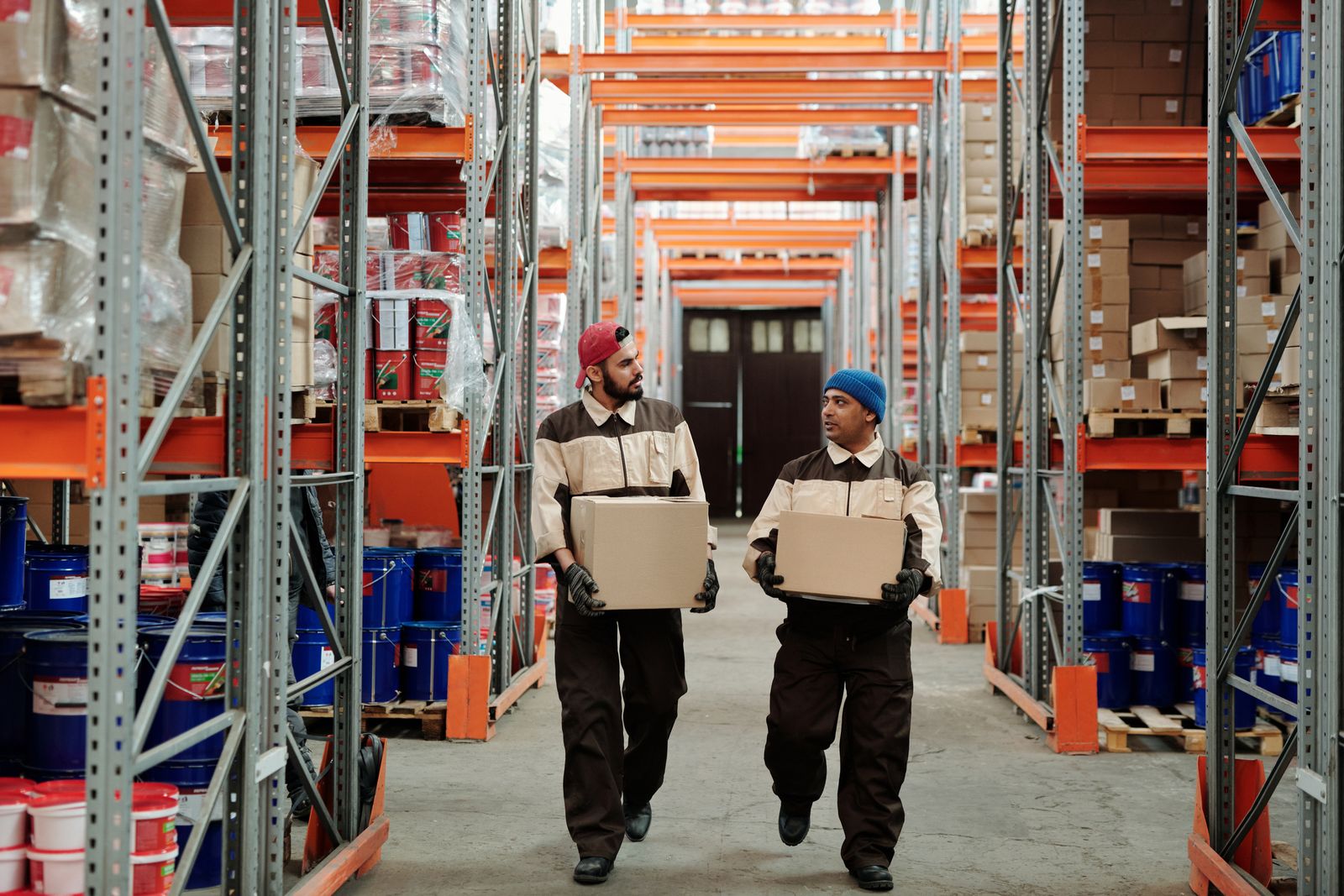
Consolidating orders with a supplier that carries a wide range (pharmaceuticals, medical equipment, and disposables under one roof) reduces your administrative load, simplifies payment, and gives you leverage on price. Every additional supplier you add means another contract, another delivery schedule, another point of failure.
LifeCare’s pharmaceuticals, medical equipment, and medical supplies and disposables lines exist precisely so buyers can source across categories from a single, accountable partner.
4. A real track record on tenders
The most reliable signal of a supplier’s capacity is whether public institutions trust them with volume. The Ethiopian Pharmaceuticals Supply Service (EPSS) runs the largest tenders in the country, and being named a top supplier there is earned, not bought.
LifeCare has been recognised as an EPSS Top-20 Supplier for four consecutive years (2022, 2023, 2024 and 2025), and received the EPSS Special Award for Bulk Order Execution at the 4th International Suppliers Conference in February 2025. That kind of record tells you a supplier can absorb large orders without falling over.
5. Stock depth and lead times
A low quoted price means nothing if the product is out of stock when you need it. Ask about typical lead times, minimum order quantities, and how much buffer stock the supplier holds locally versus what they import to order. A supplier serving 200+ wholesalers, hospitals and programmes has the turnover to keep fast-moving lines in stock. A one-deal vendor usually does not.
6. Regulatory and documentation support
Importing and procuring medicine generates paperwork: certificates of analysis, batch records, import permits, customs documentation. A supplier who handles this competently saves you weeks. One who doesn’t will leave you chasing documents while your shipment sits in a bonded warehouse accruing costs. Ask who on their team owns regulatory affairs and how they support buyers through clearance.
7. Local manufacturing and supply resilience
Supply chains that depend entirely on imports are fragile, exposed to foreign-currency shortages, shipping delays, and global price swings. A supplier with local manufacturing offers a buffer against all three.
LifeCare manufactures hand sanitizer, gauze bandages, glycerine and denatured alcohol at its facility in the Gulele Sub City of Addis Ababa, products that were previously imported in full. For buyers, locally made supply means shorter lead times and less exposure to import disruption.
8. Partnerships and references you can verify
Established suppliers carry the brands of recognised manufacturers and can name the institutions they serve. LifeCare holds agreements with manufacturers including Care Pharma FZ LLC, Encore Healthcare, Therdose, Grindex, Naari, Martindale Pharma, and MAK Medical Equipment, and supplies the Federal Ministry of Health, EPSS, private hospital chains, and USAID-funded programmes. Before committing, ask any prospective supplier for references, and call them.
The bottom line
Price is the easiest thing to compare and the worst thing to decide on alone. Weigh licensing, cold-chain integrity, range, tender record, stock depth, documentation support, manufacturing resilience and verifiable references together, and the right partner becomes obvious. If you’re evaluating suppliers for an upcoming order or tender, contact the LifeCare team to discuss your requirements.
Frequently asked questions
How do I verify a pharmaceutical supplier is licensed in Ethiopia?
Ask the supplier for their EFDA competence certificate and confirm that the specific products you intend to buy are registered with the Ethiopian Food and Drug Authority. A reputable supplier provides this documentation on request.
What is the most important factor when choosing a pharmaceutical supplier?
No single factor stands alone, but a verified EFDA licence is the threshold requirement. Beyond that, cold-chain capability and a proven tender track record are the strongest predictors of reliable delivery.
Why does local manufacturing matter for a supplier in Ethiopia?
Local manufacturing shortens lead times and reduces exposure to foreign-currency shortages and shipping delays. A supplier that makes products such as hand sanitizer and gauze bandages locally can keep those lines available even when imports are disrupted.

Pingback: Pharmaceutical Importers in Ethiopia: How the Market Works in 2026 - Lifecare Pharmaceutical Trading PLC
Pingback: Best Pharmaceutical Companies in Ethiopia (2026 Guide) - Lifecare Pharmaceutical Trading PLC
Pingback: Antibiotic Supply in Ethiopia: Sourcing for Pharmacies & Hospitals - Lifecare Pharmaceutical Trading PLC
Pingback: When EPSS Runs Out: How Ethiopian Hospitals Can Safely Fill Drug Shortages Through Private Suppliers - Lifecare Pharmaceutical Trading PLC