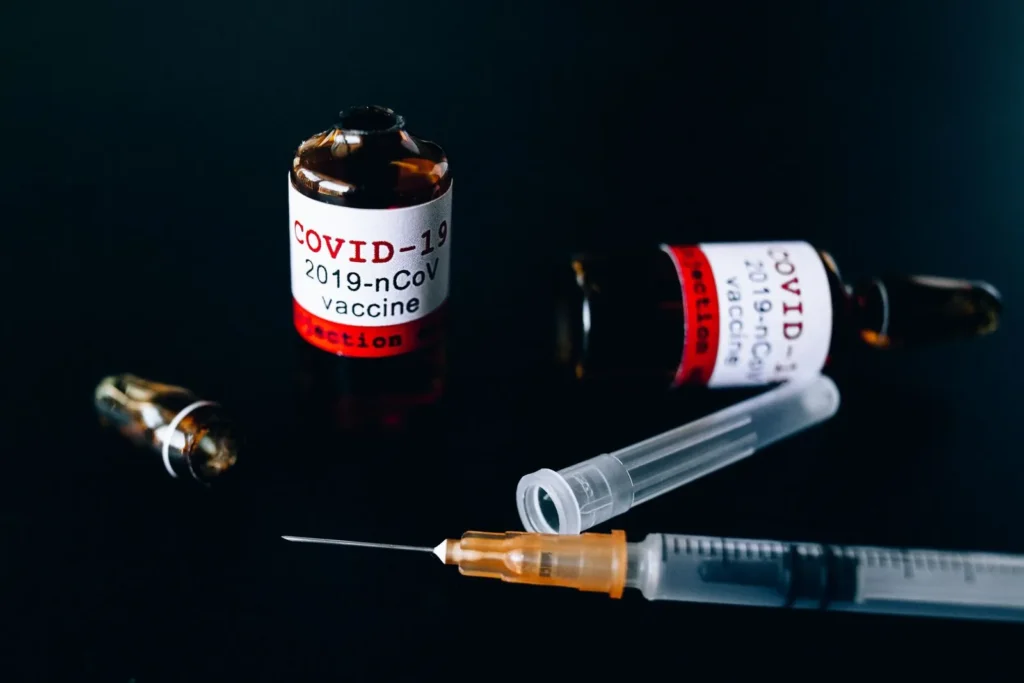
An estimated 1 in 10 medical products in low- and middle-income countries is substandard or falsified, a 10.5% failure rate that the World Health Organization links to tens of thousands of avoidable deaths each year (WHO, 2017). A broken cold chain is one of the quiet ways good medicine turns bad. For any buyer sourcing vaccines, insulin, biologics, or reagents in Ethiopia, the cold chain is not a technicality. It decides whether the product you pay for still works when it reaches the patient.
What the cold chain is, and where it breaks
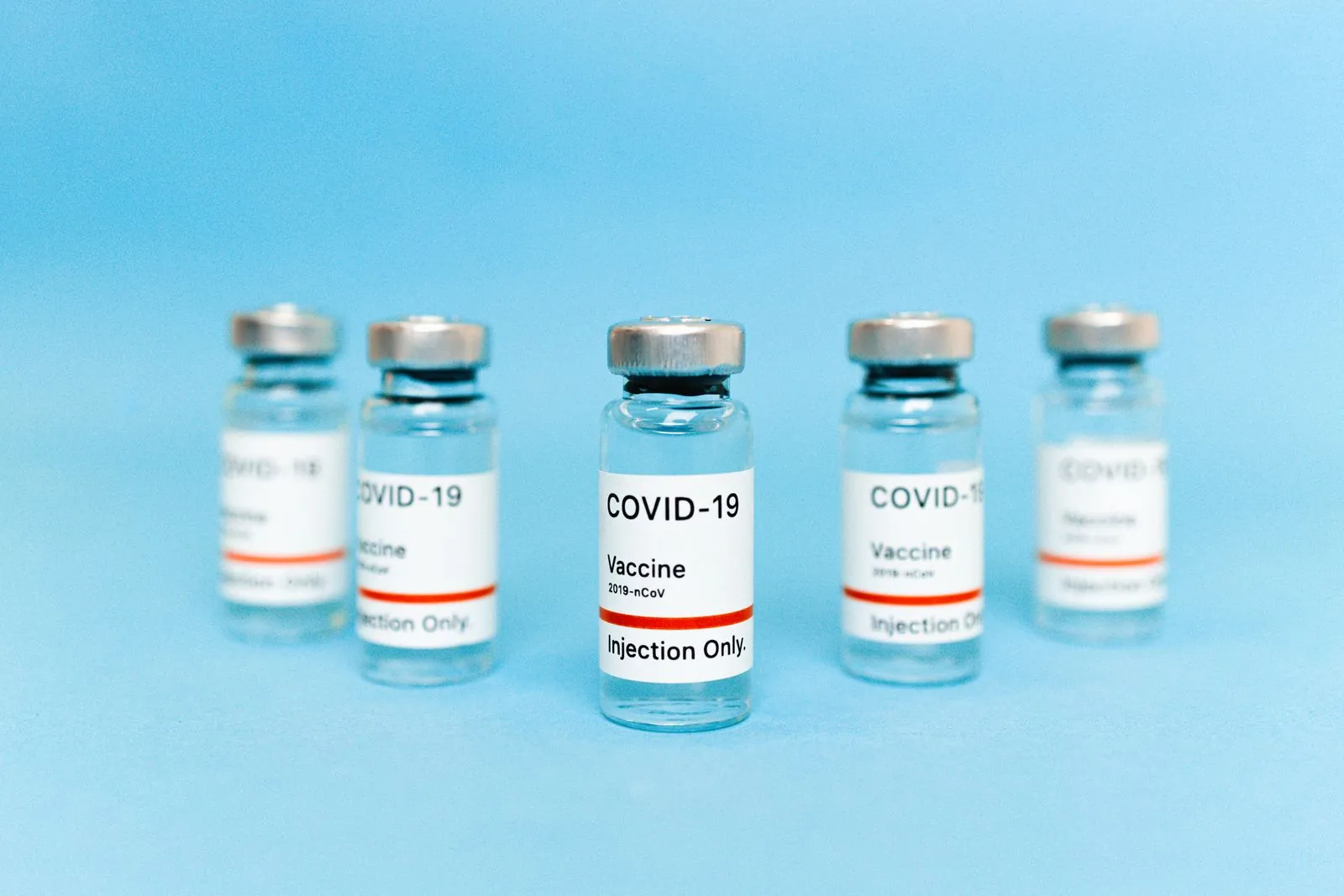
The cold chain is the unbroken chain of temperature-controlled storage and transport that keeps a product within its safe range from the manufacturer to the patient. Most refrigerated pharmaceuticals require 2 to 8 degrees Celsius; some need to stay frozen. The World Health Organization sets out the storage and transport standards in its model guidance on good distribution practices (WHO TRS 961, Annex 9).
In Ethiopia, the chain faces real pressure. Power interruptions can shut down refrigeration. Long distances to regional facilities stretch transport times. A single excursion above the safe range can degrade a vaccine without changing how it looks, which is the danger: the damage is invisible.
Why a weak cold chain costs more than spoiled stock
The obvious loss is wasted product. The deeper cost is clinical. WHO estimates that substandard and falsified antibiotics contribute to between 72,000 and 169,000 child deaths from pneumonia each year, and that degraded antimalarials may cause around 116,000 deaths a year in sub-Saharan Africa (WHO, 2017). A medicine that lost potency in transit can fail a patient as completely as a counterfeit. For a procurement officer, that turns cold-chain integrity into a patient-safety duty, not a logistics line item.
The buyer’s cold-chain checklist
Before you commit to a supplier for temperature-sensitive products, get clear answers on each of these:
- Storage. Validated cold rooms and refrigerators, with calibrated monitoring, not a thermometer someone checks by eye.
- Backup power. Generators or battery backup that hold temperature through an outage.
- Monitoring records. Continuous temperature logs the supplier can show you for a given batch.
- Transport. Refrigerated vehicles or qualified cold boxes with data loggers, not ordinary trucks.
- Excursion protocol. A written rule for what happens when temperature leaves the range, including quarantine and assessment.
- Documentation. A chain of custody that proves the product stayed in range from port to delivery.
A supplier who answers these with specifics has a real cold chain. One who answers in generalities does not.
Cold chain and the regulations
Ethiopian rules already require Good Distribution Practice, including temperature control and batch traceability, all the way to the end user. At the port of entry, EFDA checks that the cold chain held for temperature-sensitive consignments, and products that cannot prove they stayed in range can be refused. The regulatory expectation and the buyer’s interest point the same way. For the wider rulebook, see our guide on Ethiopian pharmaceutical import regulations.
How to act on this
Cold-chain capability is one of the clearest tests of whether a supplier is serious. Make it part of your due diligence on every supplier and every temperature-sensitive order. Our checklist for vetting a vendor end to end is in how to verify a medicine supplier in Ethiopia. LifeCare maintains cold-chain capacity for its temperature-sensitive lines and disposables. To discuss a specific requirement, contact the team or see the medical supplies range.
Frequently asked questions
What temperature does the pharmaceutical cold chain require?
Most refrigerated pharmaceuticals must stay between 2 and 8 degrees Celsius, and some require freezing. The World Health Organization sets storage and transport standards in its model guidance on good distribution practices (TRS 961, Annex 9).
How do I check a supplier’s cold chain in Ethiopia?
Ask for validated cold storage with calibrated monitoring, backup power, continuous temperature logs per batch, refrigerated transport with data loggers, a written excursion protocol, and documentation proving the product stayed in range from port to delivery.
Why does a broken cold chain matter for patients?
A temperature excursion can degrade a medicine without any visible sign, so a product that lost potency in transit can fail a patient as completely as a counterfeit. WHO links substandard and falsified medicines to tens of thousands of avoidable deaths each year in low- and middle-income countries.

Pingback: Ethiopian Pharmaceutical Import Regulations 2026: The Complete Guide - Lifecare Pharmaceutical Trading PLC
Pingback: Ethiopia's 2026 Malaria Surge: A Rainy-Season Stocking Checklist Before the September Peak - Lifecare Pharmaceutical Trading PLC
Pingback: Pharmaceutical Importers in Ethiopia: How the Market Works in 2026 - Lifecare Pharmaceutical Trading PLC
Pingback: How to Verify a Medicine Supplier in Ethiopia (Due-Diligence Checklist) - Lifecare Pharmaceutical Trading PLC
Pingback: The 5th EPSS International Suppliers Conference: What Ethiopia Now Expects From Its Medicine Suppliers - Lifecare Pharmaceutical Trading PLC