
What One Pharmaceutical Distributor in Ethiopia Can Cover
What a pharmaceutical distributor in Ethiopia can legally cover across medicines, medical equipment and supplies, and what buyers should check first.
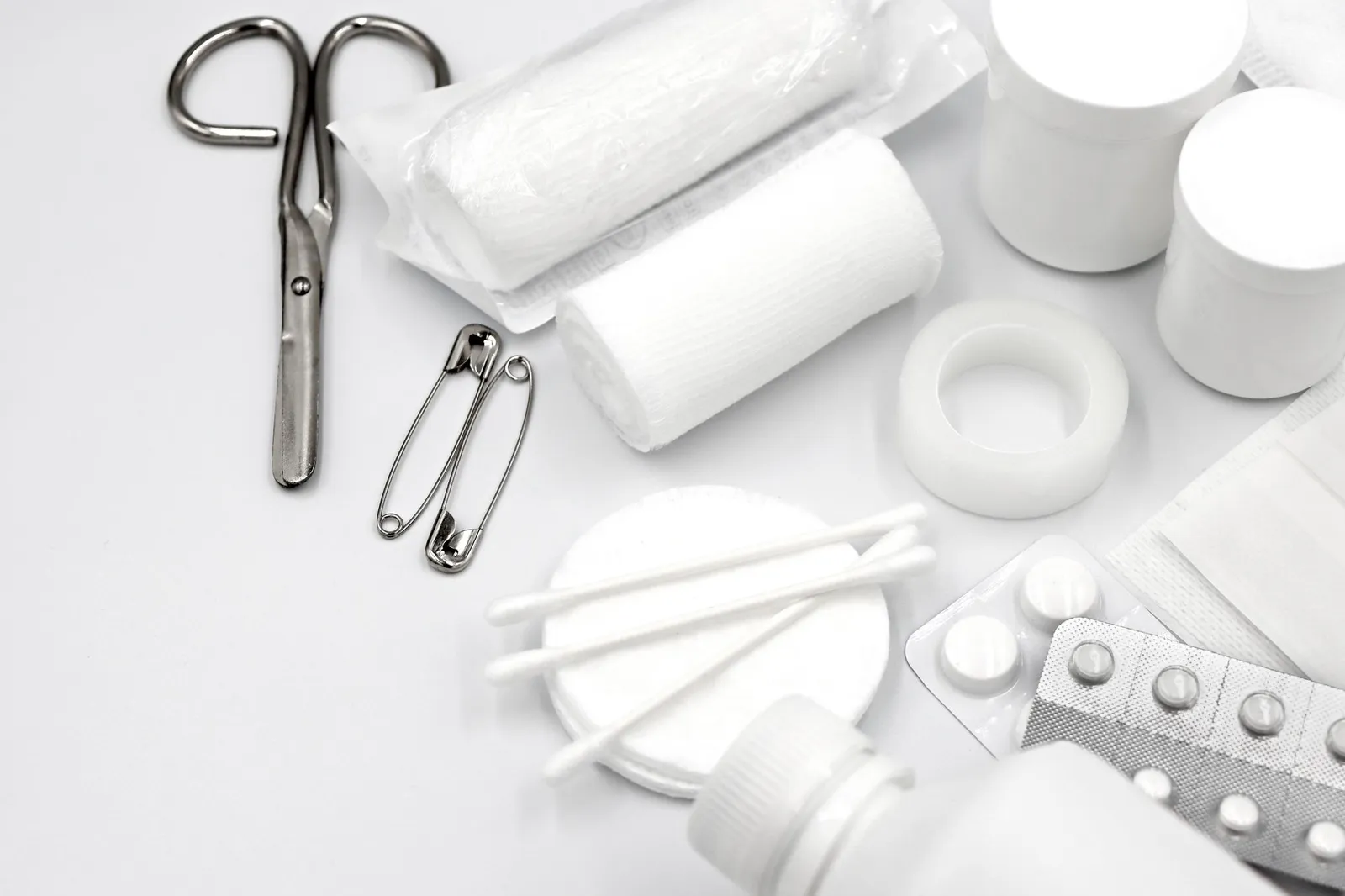
A licensed pharmaceutical and medical equipment distributor in Ethiopia can cover three product families under one roof: medicines, medical devices and equipment, and medical supplies and disposables. The Ethiopian Food and Drug Authority (EFDA) registers each family under different rules. So the useful question for a buyer is "which of these products are registered and licensed in your name?", rather than "what do you sell?". LifeCare Pharmaceutical Trading PLC works across all three, and also manufactures four products locally at its Gulele facility in Addis Ababa.
What one pharmaceutical and medical equipment distributor in Ethiopia can cover
Ethiopian law treats the supply chain as a set of licensed roles. An importer brings product into the country, a wholesaler sells it on to pharmacies, hospitals and other bulk buyers, and the same company often holds both licences. We explain how those roles differ in pharmaceutical wholesaler vs importer in Ethiopia. What the licence role does not tell you is the range of products behind it.
EFDA's own inspection manual makes the point indirectly. It defines "medical products" as a broader category that includes medicines, vaccines, devices, diagnostics and any item regulated for health purposes, and it applies the same storage and distribution inspection to every importer and wholesaler (EFDA Inspection Manual for Good Storage, Distribution and Dispensing Practices, effective 15 May 2025). The same manual lists "authorized product categories" among the facts EFDA records about each facility in its electronic regulatory system. In practice a distributor's reach is whatever categories it is authorised for and whatever products it has registered, not a general right to sell anything health-related.
In the market, the three families look like this:
- Pharmaceuticals. Finished medicines such as antibiotics, analgesics, antimalarials and chronic-disease drugs, supplied to wholesalers, hospitals, EPSS and NGOs. See our pharmaceuticals division.
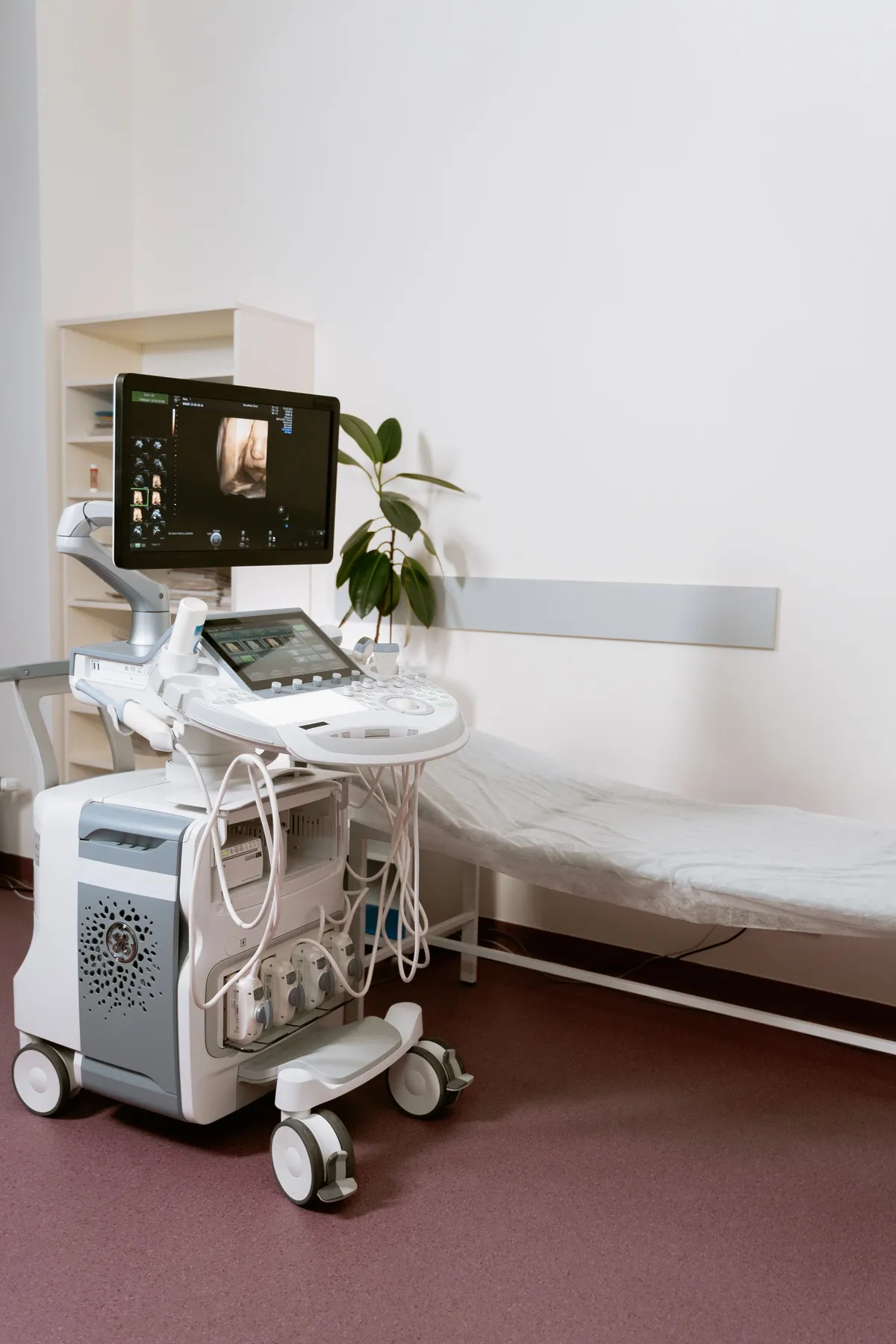
- Medical equipment. Imaging, monitoring, laboratory and theatre equipment, plus the installation, training and service that go with it. See medical equipment and our hospital buyer's guide to equipment imports.
- Medical supplies and disposables. Gloves, syringes, dressings, diagnostic kits and consumables, covered in medical supplies in Addis Ababa and on our medical supplies and disposables page.
Medicines and devices follow different registration rules
Medicines and devices both pass through EFDA, but the assessment is built differently, and that is why a distributor strong in one family is not automatically strong in the other.
Medicines are registered product by product under Proclamation 1112/2019, Regulation 531/2023 and the medicine marketing authorization directive, with a registration valid for five years. The steps are in our guide to EFDA product registration, and the import steps that follow are in how to import medicine into Ethiopia.
Medical devices are registered under EFDA's general guideline for device marketing authorization (document EFDA/GDL/046, version 005, approved 5 June 2026). Article 23(1) of the same proclamation says no medical device institution may engage in device trade unless it is registered and licensed, and a device must be registered before it is marketed. The decisive difference is risk class:
| Device type | Classes | Lowest risk | Highest risk |
|---|---|---|---|
| Non-IVD devices (for example gloves, syringes, infusion pumps, ultrasound) | I, II, III, IV | Class I | Class IV |
| In vitro diagnostic devices (for example rapid test kits, analyser reagents) | A, B, C, D | Class A | Class D |
The class decides how much EFDA asks of the manufacturer. For Class I and II devices and Class A and B diagnostics, the manufacturer maintains a basic quality management system and EFDA normally does not audit the factory before market. For Class III and IV devices and Class C and D diagnostics, the manufacturer needs a full quality system with design controls and must comply with EFDA's device manufacturing practice requirements (EFDA/GDL/046 v005, June 2026). Device authorisations are also valid for five years and renewed on the same cycle.
For a buyer, the practical consequence is that a medicine and a patient monitor have different paperwork, different lead times and different failure modes. One supplier can handle both only if it keeps a regulatory function that understands both.
What a buyer gains from one supplier across categories
The gains are real but narrower than sales brochures suggest.
- One tender response. A hospital or NGO bidding for a mixed lot (medicines plus consumables plus a piece of equipment) deals with one bidder, one set of licences and one delivery schedule. How that plays out in public and private buying is covered in tender versus private market in Ethiopia.
- Fewer supplier audits. Each supplier you qualify costs staff time. Qualifying one distributor on licences, storage and delivery record is cheaper than qualifying four.
- Consolidated logistics. Shared warehousing, freight and delivery runs usually lower the cost of small orders, where a single-category supplier would ship a part-pallet.
- One accountable party. When a mixed order arrives short or wrong, one company owns the correction.
The risk runs the other way. A distributor that lists everything may be strong in one family and a broker in the others. Breadth without registration behind it is just a catalogue. It also concentrates your supply risk: if that one distributor loses its licence or its forex access, three categories stall together.
What to check before you consolidate suppliers
Ask for evidence per category, not a company profile.
- Licence and authorised categories. Ask to see the EFDA competence certificate and which product categories it authorises. A licence for medicines is not proof of authority over devices.
- Registered products. For medicines and for each device, ask for the registration number and check it on EFDA's registry. Our guide to verifying a medicine supplier in Ethiopia walks through the check.
- Device class. For equipment, ask which class each device holds. A Class III or IV device should come with a manufacturer quality system certificate you can read.
- Local agent and manufacturer authorisation. Confirm the distributor holds a letter or agency agreement from the manufacturer for the specific products.
- Service capacity for equipment. Installation, operator training, spare parts held in Ethiopia and a stated response time. Without these, the device is a liability.
- Storage conditions per category. Medicines, reagents and electronics need different conditions. Look at our posts on the pharmaceutical cold chain and good distribution practice for what to ask.
- Delivery record. Ask for references from comparable orders in each category.
How LifeCare covers the three categories
LifeCare Pharmaceutical Trading PLC, based in Addis Ababa, imports and distributes through three divisions: pharmaceuticals, medical equipment and medical supplies and disposables. The full catalogue is on the medical products page. It serves both the public tender market and the private market. It was an EPSS Top-20 Supplier in 2022, 2023, 2024 and 2025, and received the EPSS Special Award for Bulk Order Execution at the 4th International Suppliers Conference in February 2025. Its customers include more than 200 pharmaceutical wholesalers, EPSS, the Federal Ministry of Health, private hospital chains and NGO procurement.
Beyond importing, LifeCare manufactures at its Gulele Sub City facility: hand sanitizer, gauze bandages, glycerine and denatured alcohol. These were imported products before. Local production matters to a buyer for two practical reasons: shorter lead times on high-volume consumables, and no dependence on foreign exchange for those lines. We set out the wider case in why local manufacturing is the future of Ethiopian healthcare, and the company's own view of combining the roles in from import to innovation.
Use the checklist above on LifeCare the way you would on anyone. Ask for the licence, the registration numbers and the manufacturer authorisation for the specific products in your lot. We expect to be asked.
Frequently asked questions
What kind of products does LifeCare work with?
Pharmaceuticals, medical equipment and medical supplies, through three divisions. LifeCare also manufactures hand sanitizer, gauze bandages, glycerine and denatured alcohol at its Gulele facility in Addis Ababa.
Can one Ethiopian importer legally sell both medicines and medical devices?
Yes, if its licence authorises both categories and each product is registered with EFDA. Medicines and devices are registered under different guidelines, so check the authorised categories on the licence and the registration number of each product.
How are medical devices classified in Ethiopia?
EFDA classes non-IVD devices from I (lowest risk) to IV (highest) and in vitro diagnostics from A (lowest) to D (highest). The class sets how much evidence the manufacturer must supply, including its quality management system.
Is a one-stop supplier always the better choice for a hospital?
Not always. A single supplier reduces audits and consolidates delivery, but it concentrates supply risk. Many buyers consolidate routine consumables and medicines, and keep a second source for critical equipment and life-saving drugs.
Does buying locally made products reduce risk?
For high-volume consumables such as sanitizer and gauze, it can shorten lead times and remove exposure to foreign exchange delays. The product still needs to be registered and made to a documented quality standard, so ask for both.
Buyers who want a mixed quotation across the three divisions can contact LifeCare with the product list and delivery location.