
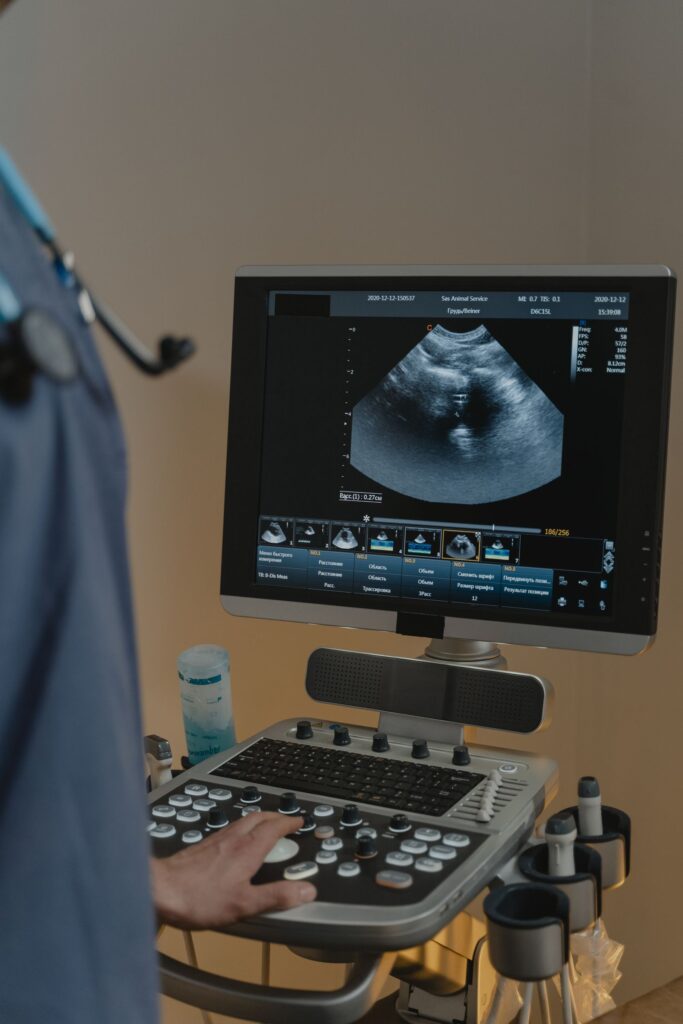
Buying medical equipment in Ethiopia is not like buying consumables. An ultrasound system, a patient monitor, or a laboratory analyser is a capital purchase that has to be imported, cleared, installed, calibrated, and maintained for years. Get the sourcing decision right and the equipment serves the facility for a decade. Get it wrong and you own an expensive machine with no parts, no service, and no warranty. This buyer’s guide walks hospital administrators, biomedical engineers, and procurement officers through what actually matters when importing medical equipment into Ethiopia.
1. Understand the regulatory classification
Medical devices in Ethiopia are regulated by the Ethiopian Food and Drug Authority (EFDA), and requirements scale with risk. A simple examination tool sits in a lower-risk class than a diagnostic imaging system or an in-vitro diagnostic analyser. The device generally needs to be registered, and the importer must hold the appropriate EFDA authorisation. Before you shortlist equipment, confirm the device can be legally registered and imported. An unregistered device is a non-starter at the port.
2. Look past the purchase price to total cost of ownership
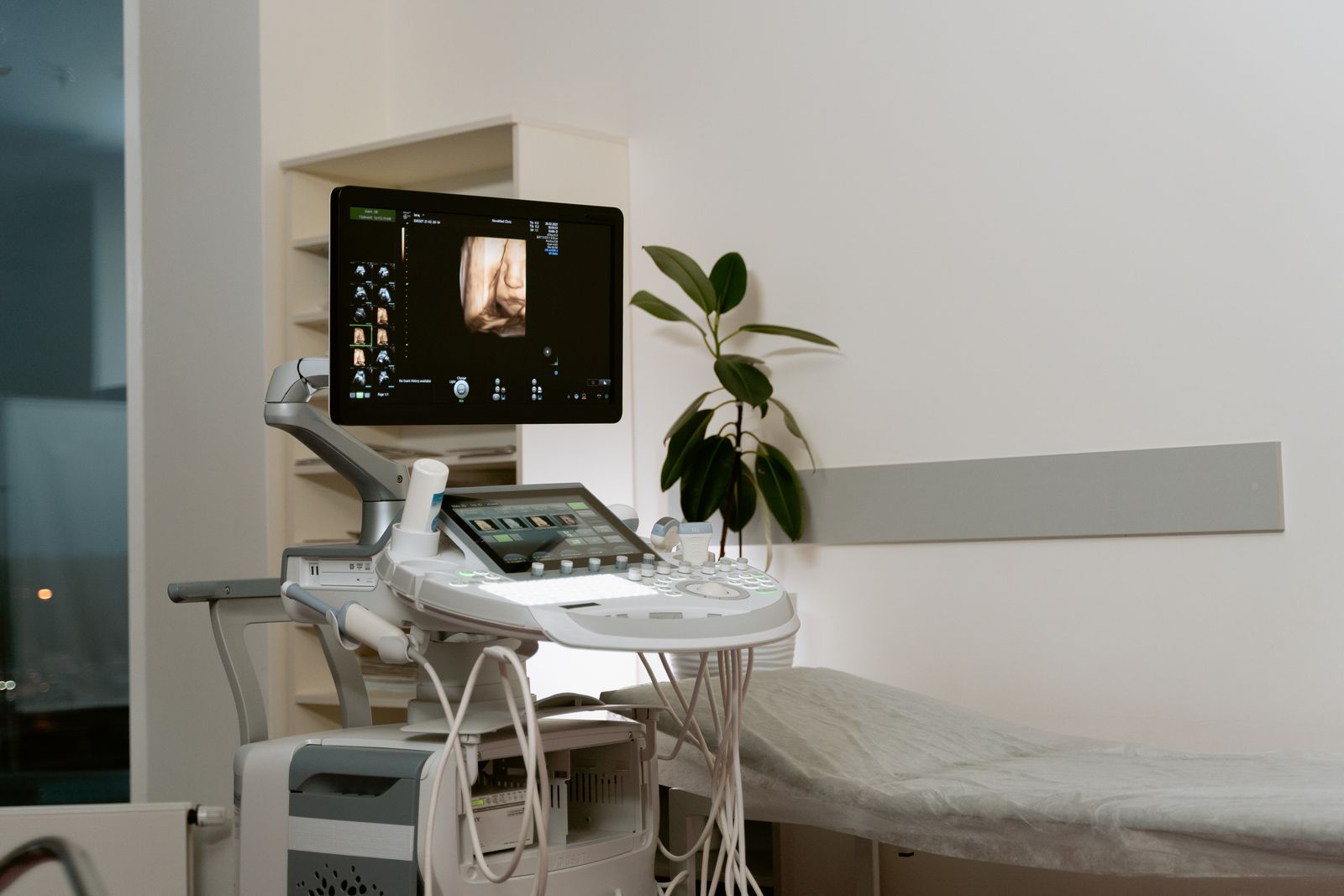
The sticker price is a fraction of what equipment really costs. Factor in installation, operator training, consumables (probes, reagents, electrodes, paper), calibration, spare parts, and service over the machine’s life. A cheaper unit with no local service support and hard-to-source consumables almost always costs more over five years than a well-supported one.
3. Demand installation, training, and after-sales service
This is the single biggest differentiator between a supplier and a box-mover. Ask, in writing: Who installs and commissions the equipment? Who trains the operators? What is the guaranteed response time when something fails? Are spare parts held locally, or do they ship from abroad each time?
A supplier with local technical capacity keeps your equipment running. One without it leaves your machine idle every time a part fails, and in a hospital, idle diagnostic equipment means delayed care.
4. Confirm warranty and parts availability
Get the warranty terms in writing: duration, what’s covered, and who honours it inside Ethiopia. A manufacturer’s warranty is worth little if there’s no in-country representative to act on it. Ask how long the manufacturer guarantees parts availability for the model, so you’re not left with an orphaned machine two years in.
5. Plan for power, environment, and consumables
Power interruptions are a real factor in Ethiopia. Sensitive equipment needs voltage stabilisation and, often, backup power. Some devices require specific room conditions: temperature, humidity, dust control. And every analyser has an ongoing consumables and reagent stream that must be reliably available. Build all of this into the procurement plan, not after the equipment arrives.
6. Factor in import logistics, duties, and timelines
Medical equipment imports move through customs clearance and EFDA checks, and timelines depend on documentation quality and payment arrangements. Some public-health and donor-funded procurements may qualify for duty considerations. An experienced importer manages clearance, handles the paperwork, and gives you a realistic delivery timeline up front rather than an optimistic one.
A practical procurement checklist
- Is the device registrable and the importer EFDA-authorised?
- What is the five-year total cost of ownership, not just the purchase price?
- Who installs, commissions, and trains, and is it included?
- What is the guaranteed service response time, and are parts held locally?
- What does the warranty cover, and who honours it in Ethiopia?
- Are consumables and reagents reliably available?
- Have you planned for power stabilisation and room conditions?
Sourcing equipment for your facility
LifeCare supplies medical equipment to hospitals, clinics, and laboratories across Ethiopia, backed by import handling and supplier partnerships including MAK Medical Equipment. To discuss a specific device, a full department fit-out, or a tender requirement, browse the medical equipment range or contact the LifeCare team. If you’re also sourcing consumables, see the medical supplies and disposables line.
Frequently asked questions
Does medical equipment need to be registered in Ethiopia?
Most medical devices must be registered with the Ethiopian Food and Drug Authority (EFDA), and the importer must hold the appropriate authorisation. Requirements scale with the device’s risk classification.
What should I look for when importing medical equipment into Ethiopia?
Look beyond purchase price to total cost of ownership: installation, training, warranty, local service response, spare-parts availability, and consumables supply. Local technical support is the factor that most often determines whether equipment stays operational.
Why is after-sales service so important for medical equipment?
Without local installation, training, and service, equipment sits idle every time a part fails or calibration is needed. In a clinical setting, idle diagnostic equipment delays patient care, which is why service capacity matters as much as the device itself.

Pingback: 225 EFDA Product Registrations: What It Takes to Keep a Medicine on the Ethiopian Market - Lifecare Pharmaceutical Trading PLC
Pingback: Medical Supplies in Addis Ababa: A Buyer's Guide for 2026 - Lifecare Pharmaceutical Trading PLC