
How to Pay a Foreign Supplier From Ethiopia: LC, CAD or Advance
How to pay a foreign supplier from Ethiopia under NBE directive FXD/01/2024: letters of credit, cash against documents and the US$5,000 advance cap.
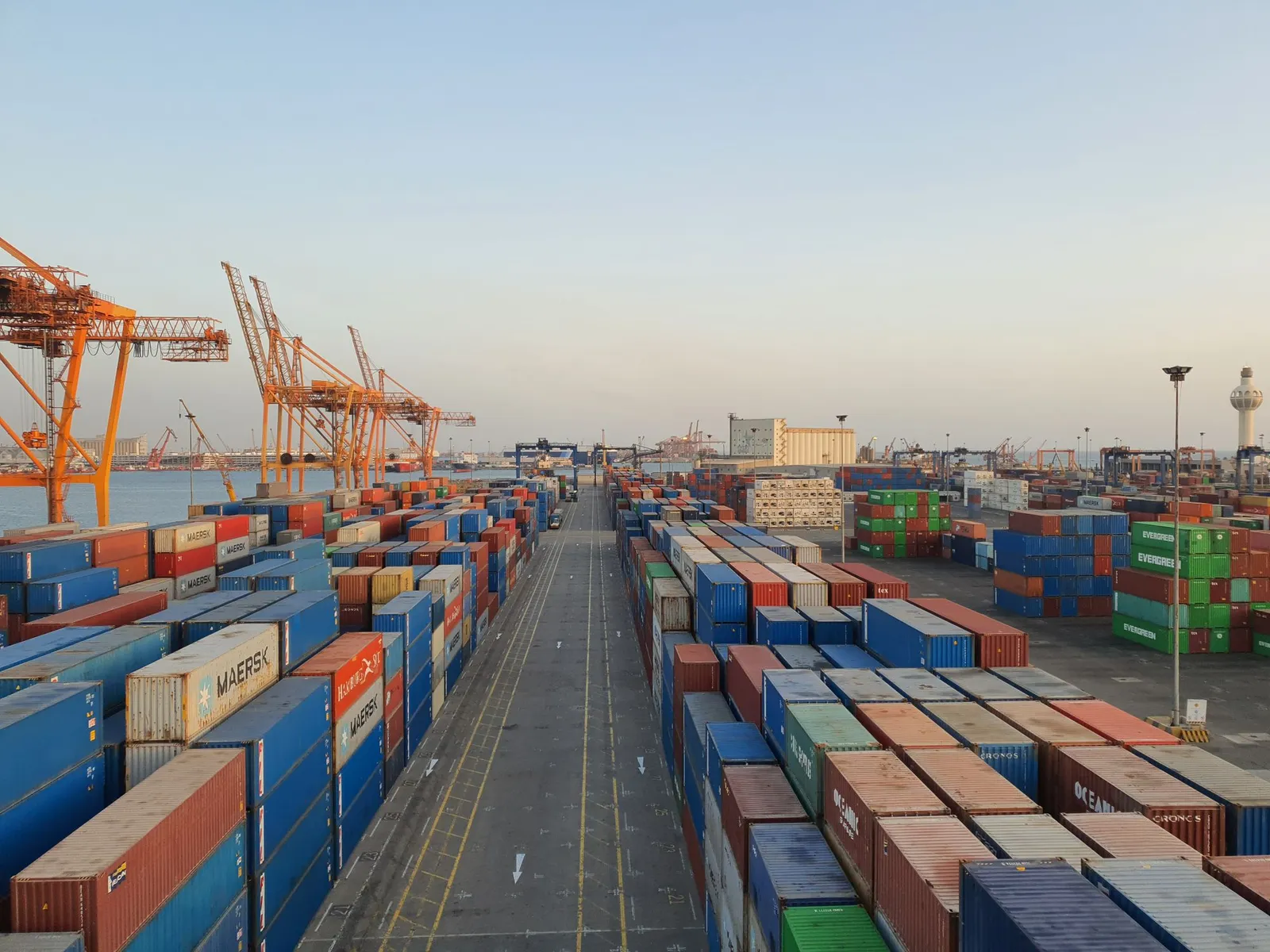
An Ethiopian importer pays a foreign pharmaceutical supplier through its Ethiopian bank, using one of the modes the National Bank of Ethiopia (NBE) allows: a letter of credit, cash against documents, or advance payment. Since 29 July 2024 the exchange rate is set by the market, not fixed by the central bank, so the main risk to a supplier is whether the importer's bank can obtain and release the foreign currency in time, not what the rate will be. For a supplier, the reliable default is a letter of credit at sight, with the importer's bank record checked before you ship.
How to pay a foreign pharmaceutical supplier in Ethiopia: the methods the National Bank allows
The rules sit in the NBE's consolidated Foreign Exchange Directive, FXD/01/2024, effective 29 July 2024. Annex Two lists five modes for imports. We read the directive text directly, and the table below follows it.
| Mode | What it means for you as the seller | Condition in the directive |
|---|---|---|
| Letter of credit (LC) at sight | The importer's bank promises to pay when you present conforming shipping documents. Strongest protection of the five. | Allowed without special approval. |
| LC on acceptance | Payment is deferred to an agreed date after the documents are accepted. | Needs prior NBE approval, except where the May 2026 amendment below applies. |
| Cash against documents (CAD) at sight | Documents are released to the importer when it pays through the banks. The importer must obtain a purchase order approval from its bank before shipment. | Bank checks the importer is not on the NBE delinquent list. |
| CAD on acceptance | As above, with payment deferred. | Needs prior NBE approval, except where the May 2026 amendment applies. |
| Advance payment | You are paid before shipping. | Capped at US$5,000 per supplier. Above that, the importer must submit a foreign bank guarantee confirmed by a local authorised bank, unless the NBE waives it. |
Two things stand out for a manufacturer. First, the US$5,000 advance-payment cap means a full pre-payment for a normal pharmaceutical order is not available on ordinary terms. Second, the directive does not mention open-account or long-credit terms for imports. An importer that asks for 90 days' credit is asking for something the standard list does not include.
The directive also says goods that use no foreign exchange from the banking system, widely called franco valuta, may enter subject to customs, tax and health rules (Article 8.1.3). We have not confirmed how that route is treated now, and it gives a foreign seller no bank-backed payment, so we do not count it as a payment method.
What changed in July 2024
The same directive repealed all earlier foreign-exchange directives and replaced them (Article 25.2). Under Article 5, banks and authorised dealers buy and sell foreign currency "at freely negotiated rates," and the NBE publishes an Indicative Daily Exchange Rate compiled from the banks' own daily reports. In its notice of 25 May 2026 the NBE describes the period since July 2024 as a "transition toward a market-based foreign exchange regime" (NBE public notice, 25 May 2026).
How that rate feeds into the price a hospital or pharmacy pays is the subject of our post on the birr exchange rate and medicine prices, and we do not repeat it here. For a supplier the point is narrower: you invoice in a foreign currency, the importer's cost in birr moves, and its ability to open an LC depends on the bank having currency to sell.
The same May 2026 notice loosened two things. Banks may approve LCs on acceptance, and CAD on acceptance, for institutions holding foreign currency accounts and for retention account holders, without prior NBE approval. It also told banks to charge LC fees on an annualised basis, applied pro rata to the LC's tenor. Both changes help only importers that hold such accounts, so ask which kind of importer you are dealing with.
Priority status: what we can and cannot confirm
Foreign manufacturers are often told that Ethiopia gives medicine imports priority for foreign exchange. That was true under an earlier rule. NBE Directive FXD/67/2020 listed "Pharmaceuticals: medicine and laboratory reagents" as the first priority for foreign currency allocation (NBE, FXD/67/2020 as amended).
But FXD/01/2024 repealed earlier foreign-exchange directives, and in the text we read there is no priority list for imports. So we cannot tell you that medicine currently holds a formal priority tier, and we will not write it. Even under the old rule, priority did not guarantee access. Addis Fortune reported in June 2022 that manufacturers holding priority status had waited more than two years to open letters of credit, and that even after approval waits of up to five months were reported (Addis Fortune, Ruth Taye, 18 June 2022). That was before the market-based regime, so it shows why priority alone should not be your assurance, not how long things take today.
Practical rule: do not write "the importer will have priority access" into a contract. Write the payment mode and the documents, and let the importer's bank record show whether it can perform.
Letter of credit for a medicine import: the documents
The importer carries most of the paperwork, but a supplier who knows the list can supply the right papers the first time. For an LC import, Annex Two requires the importer to submit to its bank:
- an import application showing HS codes, tax number, exchange rate and the importer account number issued by the NBE;
- your pro forma invoice, with a full description of goods, HS code, quantity, unit price, total amount, mode of shipment, terms of payment and a named place of delivery;
- a valid trade licence, and an insurance certificate from a local insurer;
- a certificate of competence from the relevant government body, and for medicines a Ministry of Health certificate, which the directive lists under "other requirements." For medicines this is the role of EFDA, whose import permit is covered step by step in how to import medicine into Ethiopia;
- NBE's prior approval letter if the LC is on acceptance, and a waiver letter if the importer is on the NBE delinquent list.
Your side, once the goods ship: an invoice certified by a chamber of commerce (the directive says "chamberized invoices"), a certificate of origin, transport documents, and a packing list. For goods delivered to an inland dry port, the directive also asks for multimodal transport documents. Check the exact set against your importer's bank before you ship, because a mismatch between the LC wording and the documents is the usual reason payment stalls. For the permit and customs steps, see Ethiopian pharmaceutical import regulations in 2026.
How to check that an importer can pay
The directive gives you a few concrete questions. Ask the importer:
- Which bank will open the LC, and can that bank confirm it has done similar volumes recently?
- Does the importer hold a foreign currency account or a retention account (which now matters for LC on acceptance)?
- Is the company free of the NBE delinquent list, or does it hold a waiver?
- How long did its last two LCs take from application to opening? Their answers, and their willingness to show records, tell you more than any claim of "priority."
Pair this with a licence check from how to verify a medicine supplier in Ethiopia. If you sell mainly to EPSS and other public buyers, payment terms also follow the tender rules, which our tender post explains.
LifeCare and payment terms
LifeCare Pharmaceutical Trading PLC imports pharmaceuticals, medical equipment and medical supplies, and has supplied EPSS, the Federal Ministry of Health, private hospital chains and NGO procurement. The modes above are the ones the NBE directive allows for any importer, LifeCare included, so any terms we agree with a principal fit inside them. Ask us which mode we would use for your product and order size.
Frequently asked questions
Is foreign currency a problem for Ethiopian pharmaceutical importers?
It can be a practical constraint, because an LC depends on a bank having currency to sell. We could not find a current, sourced figure for LC waiting times, so ask each importer for its recent history rather than relying on a general answer.
Can an importer pay a foreign supplier in advance?
Yes, but under FXD/01/2024 advance payment from one supplier is capped at US$5,000. Above that the importer must submit a foreign bank guarantee confirmed by a local authorised bank, unless the NBE grants a waiver.
Which is safer for a foreign manufacturer, LC or CAD?
An LC at sight, because the importer's bank undertakes to pay against conforming documents. With CAD the documents are released when the importer pays, and you rely on the importer completing the transaction through its bank.
Do medicine imports have priority for foreign exchange?
Under the 2020 directive pharmaceuticals were first priority. The 2024 consolidated directive repealed earlier directives and the text we read has no priority list, so do not assume priority.
Does the exchange rate change what I get paid?
You invoice in a foreign currency and the importer bears the birr cost. The rate affects the importer's pricing and capacity, which is why its financial stability matters.
If you are a manufacturer deciding how to structure payment with an Ethiopian partner, see how LifeCare works with principals or contact us.